

Deck Builder Trends: Composite Materials, Built-In Lighting, and Low-Maintenance Designs
In recent years, the deck building industry has undergone significant transformations, driven by innovative materials and evolving homeowner expectations. Homeowners and deck builders alike are placing greater emphasis on durability, sustainability, and visual appeal, leading to outdoor living spaces that balance form and function. From composite materials to integrated lighting and low-maintenance layouts, modern deck construction reflects a shift toward smarter, longer-lasting designs that support everyday use.
These emerging trends point to a growing demand for outdoor environments that look polished while requiring less upkeep. Advancements in materials technology and lighting systems have expanded design possibilities, allowing deck builders to offer solutions that align with convenience, energy efficiency, and environmental awareness. As these trends continue to gain traction, deck design is increasingly shaped by practical innovation rather than tradition alone.
The evolution of outdoor living preferences is also reflected in national housing data. According to Eyeonhousing.org, the share of homes with decks declined to an all-time low of 17.4% in 2024, while the share of homes with patios increased to over 60%. In response to this shift, deck builders are refining their approaches by incorporating modern features and flexible layouts that keep decks competitive alongside patios.
Composite Materials: A New Era of Deck Building
The Evolution from Wood to Composite Materials
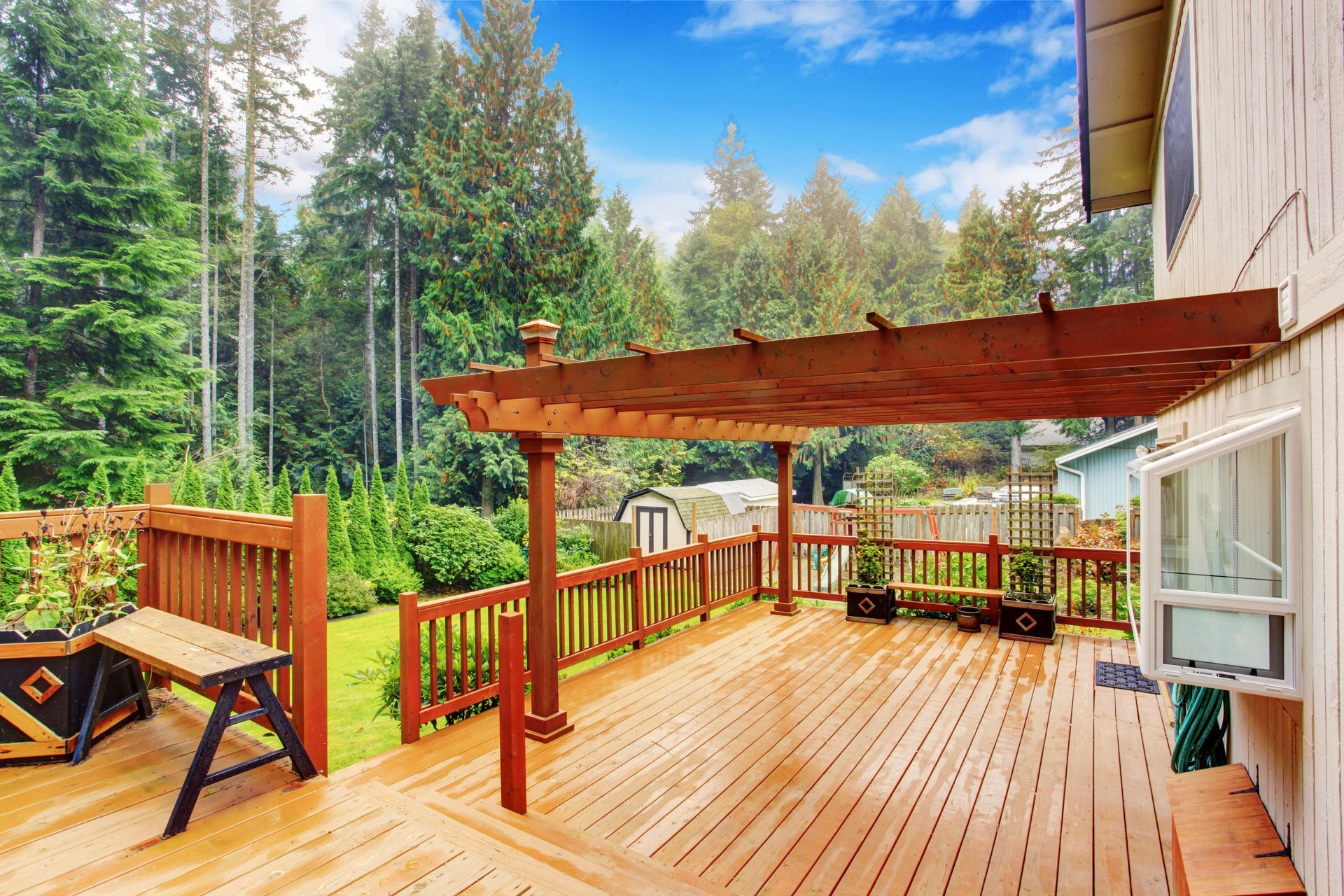
For decades, wood was the standard material for deck construction due to its natural appearance and accessibility. However, wood decks require frequent maintenance, including sealing, staining, and repairs caused by moisture and sun exposure. As homeowner priorities shifted, deck builders began seeking alternatives that reduced long-term upkeep while maintaining visual appeal.
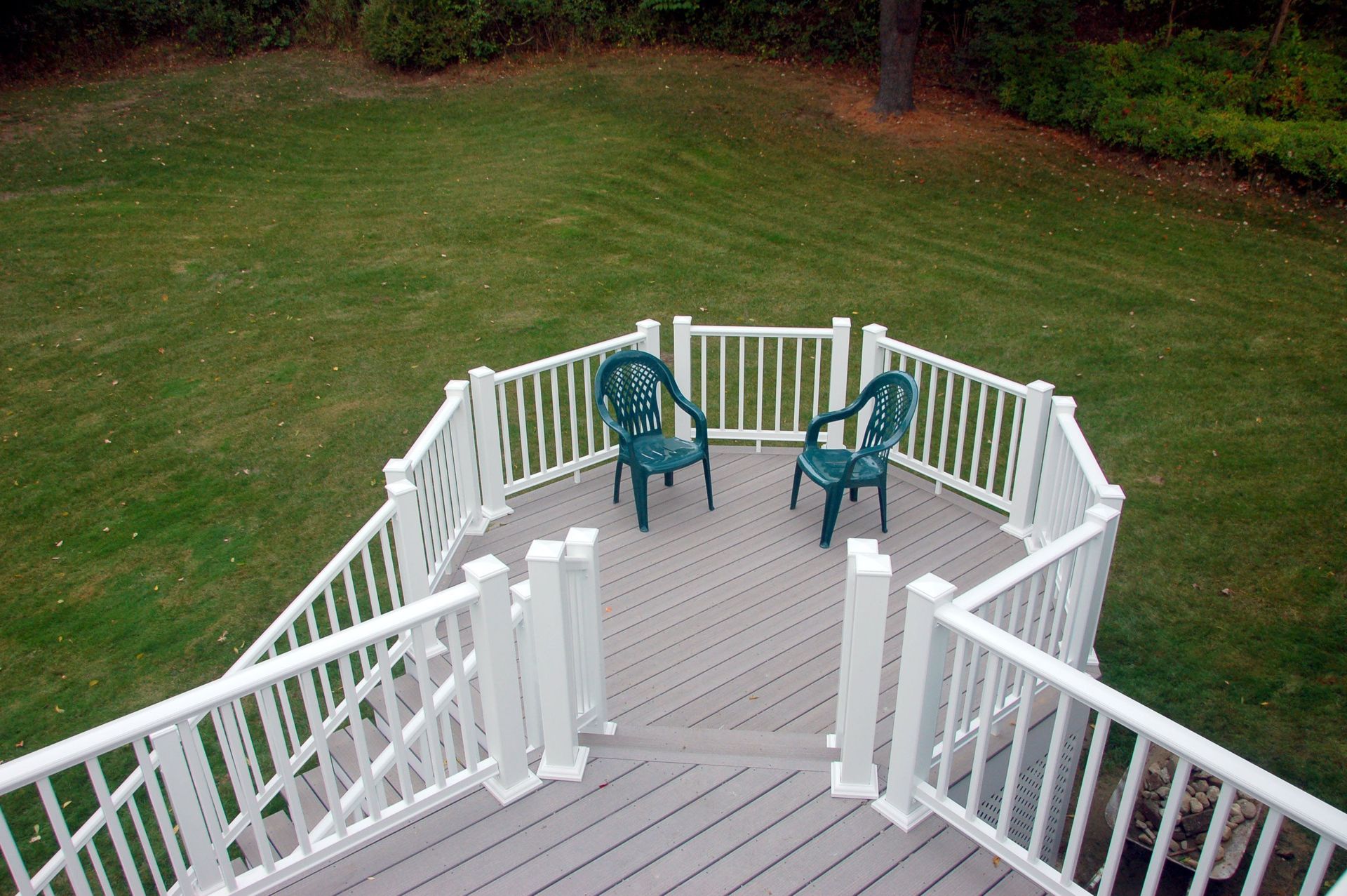
Composite decking emerged as a practical solution, combining wood fibers and plastic to create boards that resist weathering and decay. Over time, these materials have improved in appearance and performance, allowing deck builders to offer products that closely resemble wood while delivering greater durability. This evolution has expanded design options across a wide range of residential projects.
This transition represents a broader change within the industry, where longevity and ease of ownership influence material selection. Composite decking continues to shape modern deck construction by supporting designs that last longer with fewer maintenance demands. These benefits have made composite materials a central focus for deck builders working on long-term outdoor solutions.
Benefits of Using Composite Materials
Composite materials offer several advantages that appeal to today’s homeowners. Resistance to rot, insects, and moisture makes composite decking especially attractive for outdoor environments exposed to the elements. Deck builders often recommend these materials to clients seeking dependable, long-term performance.
In addition to durability, composite decking is available in a wide range of colors and finishes, providing flexibility for various architectural styles. This versatility allows deck builders to tailor designs without sacrificing consistency or structural integrity. Homeowners also benefit from a finished look that remains stable over time.
Reduced maintenance requirements further enhance the appeal of composite decks. These materials eliminate the need for regular staining or sealing, which saves time and ongoing costs. As a result, composite decking aligns well with modern preferences for low-effort outdoor living.
Popular Brands and Options in the Market
Each manufacturer offers product tiers that range from entry-level options to premium capped composites. Deck builders use these variations to match materials with specific project goals and budget considerations. This flexibility allows for customization without compromising durability.
The availability of multiple product options also simplifies planning and material selection. Deck builders can confidently recommend solutions that align with both functional needs and aesthetic preferences. This variety has strengthened composite decking’s position in the market.
Cost Comparison: Composite vs. Traditional Wood
Initial cost remains a common consideration when choosing decking materials. Wood decks often have a lower upfront price, which can be appealing at the start of a project. However, deck builders regularly explain that maintenance expenses can increase total ownership costs over time.
Composite decking typically requires a higher initial investment but offers reduced maintenance costs throughout its lifespan. Deck builders often emphasize the long-term value of composite materials when comparing options with homeowners. This perspective helps clients make informed decisions.
As composite products become more widely available, pricing continues to stabilize. Increased competition has made composite decking accessible to a broader range of homeowners. This trend further supports its growing adoption.
Environmental Impact and Sustainability
Sustainability plays an increasing role in deck material selection. Many composite boards incorporate recycled plastics and reclaimed wood fibers, reducing waste sent to landfills. Deck builders often highlight these features when discussing responsible construction choices.
Longer material lifespan also supports sustainability by limiting replacement frequency. Deck builders recognize that durable decks reduce resource consumption over time. This approach aligns with broader environmental priorities.
Ongoing innovation continues to improve manufacturing efficiency and material performance. These advancements reinforce sustainability as a core focus within the deck building industry. As a result, eco-conscious design continues to influence material development.
Innovative Built-In Lighting Features
The Rise of Built-In Lighting in Deck Design
Built-in lighting has become a defining feature of modern deck design, offering both visual enhancement and practical benefits. Deck builders increasingly integrate lighting during the planning phase to support safety and usability. This proactive approach allows lighting to feel cohesive rather than added later.
Lighting extends deck functionality into the evening while highlighting architectural details. Deck builders often use subtle lighting techniques to enhance ambiance without overwhelming the space. This balance contributes to a welcoming outdoor environment.
The popularity of built-in lighting reflects growing interest in outdoor living areas designed for entertaining and daily use. Homeowners value spaces that remain functional after sunset. Lighting plays a key role in meeting those expectations.
Types of Built-In Lighting Options
Common lighting options include step lights, post cap lights, and under-rail lighting. Deck builders select these features based on layout, elevation changes, and traffic flow. Each option serves both functional and aesthetic purposes.
Step lights improve stair visibility, while post cap lights define railings and boundaries. Under-rail lighting adds soft illumination across deck surfaces without harsh glare. These options work together to create layered lighting effects.
Solar-powered and smart lighting systems further expand customization options. Deck builders increasingly incorporate these technologies to support efficiency and convenience. This variety allows lighting designs to match individual preferences.
Modern deck design continues to evolve as homeowners prioritize durability, functionality, and ease of maintenance in their outdoor spaces. Trends such as composite materials, built-in lighting, and low-maintenance layouts allow deck builders to deliver solutions that align with changing lifestyle needs and long-term ownership goals. These innovations reflect a shift toward outdoor environments that are both visually appealing and practical.
As preferences move toward flexible and efficient outdoor living areas, decks remain a valuable option when designed with modern features and thoughtful planning. Deck builders who adapt to these trends can create spaces that complement patios while offering unique structural and design advantages. The ability to balance aesthetics with performance plays a key role in sustaining the relevance of deck construction.
By incorporating durable materials, integrated lighting, and low-maintenance design principles, homeowners can enjoy outdoor spaces that require less upkeep without sacrificing style. These trends support long-lasting value and everyday usability. Thoughtful design choices continue to shape the future of deck construction. Contact Town and Country Renovations today to learn more about our services.

Share On: